Source Cosmetic Grade Nano Pearl Powder for Skin Care, Cosmetics, and Food
Compare 30 listings for cosmetic grade nano pearl powder from verified Chinese manufacturers. Buyers can evaluate specifications like particle size, mesh count, and certifications including ISO and FDA for applications in skin care, cosmetics, and food; compare the available evidence and request quotations based on your requirements.
Key considerations
Products List




Comprehensive Sourcing Guide
Cosmetic Grade Nano Pearl Powder Sourcing Guide
Procurement professionals must first distinguish between general pearl pigments and specialized nano-grade materials intended for high-performance cosmetic formulations. The market presents a mix of products ranging from standard white powders to advanced hydrolyzed variants, where the primary distinction lies in particle size and bioavailability. Buyers should verify that the specific listing explicitly claims "nano" characteristics, as standard pearl powders often lack the sub-micron dimensions required for effective skin penetration and light-diffusing effects in premium skincare.
When evaluating initial listings, attention must be paid to the stated active ingredients and functional claims to ensure alignment with product development goals. The observed data indicates a focus on whitening, anti-aging, and firming applications, supported by ingredients like protein and calcium carbonate. However, buyers must treat these functional assertions as observations of specific listings rather than universal guarantees, requiring direct confirmation that the specific batch meets the intended efficacy profile for their specific formulation needs.
Product Scope and Observed Listing Signals
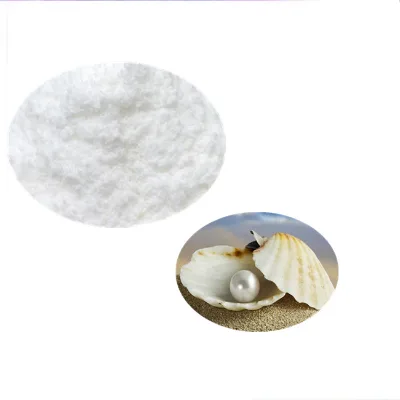
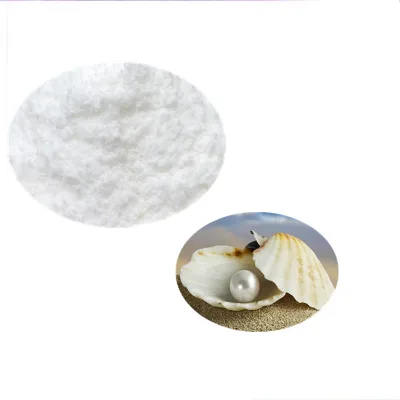
The product scope for cosmetic grade nano pearl powder encompasses a variety of physical forms, primarily appearing as white or off-white powders with specific mesh sizes. Listings frequently describe the material as having a particle size ranging from 10 to 60 micrometers or finer, with some advanced specifications citing dimensions as small as 20 to 200 nanometers. This variation in particle size is critical, as it directly influences the texture, opacity, and light-refracting properties of the final cosmetic product, necessitating precise verification against the buyer's technical requirements.
Commercial signals in the market often highlight customization availability and the presence of free samples, which are essential for validating material quality before bulk commitment. The observed stock status indicates immediate availability for many suppliers, yet the packaging methods vary significantly between aluminum foil bags and cardboard barrels or drums. Buyers should carefully review these packaging details to ensure they align with their storage capabilities and logistics requirements, as improper packaging can compromise the stability and purity of the nano-structured material during transit.
Technical Specifications to Verify
Verification of particle size distribution is the most critical technical step, as the efficacy of nano pearl powder depends heavily on its ability to remain suspended and interact with skin layers. Specifications often cite mesh counts such as 400 mesh or specific micron ranges, but buyers must demand detailed particle size distribution charts to confirm the presence of the nano fraction. Relying solely on a single average value can be misleading, as a broad distribution might include larger particles that do not provide the desired cosmetic benefits or could cause texture issues in the final formulation.
Chemical stability and solubility characteristics must also be rigorously tested to ensure compatibility with various cosmetic bases. The material is generally described as insoluble and stable within a pH range of 6.0 to 9.0, which covers most standard cosmetic formulations. However, buyers should verify the specific CAS numbers associated with the calcium carbonate and protein content to ensure the raw material matches the expected chemical profile. Additionally, the odorless nature and nontoxic classification are standard expectations, but independent testing is required to confirm these attributes for the specific batch being sourced.
Compliance and Safety Documentation
Navigating the regulatory landscape for cosmetic ingredients requires a thorough review of the supplier's certification portfolio, which often includes ISO, FDA, and various organic standards. The observed listings mention certifications such as USDA Organic, EU Organic, Kosher, and Halal, indicating a broad compliance framework. However, buyers must treat these certifications as claims that require validation, ensuring that the specific facility and batch in question are covered under the current valid certificates rather than relying on general company marketing materials.
Safety documentation must extend beyond basic certifications to include detailed Material Safety Data Sheets (MSDS) and specific toxicity reports. While the product is generally classified as nontoxic, the presence of heavy metals or other impurities in natural pearl sources is a known risk that must be mitigated through rigorous testing. Buyers should request recent third-party test results confirming the absence of harmful contaminants, ensuring that the material meets the safety thresholds required for the target market, whether it be North America, Europe, or Asia.
Cost Drivers and Commercial Terms
The pricing structure for cosmetic grade nano pearl powder is influenced by the complexity of the grinding process required to achieve nano-scale dimensions and the purity of the raw freshwater pearls used. The observed price range is broad, reflecting differences in particle size, mesh count, and the level of processing involved in creating hydrolyzed or ultra-fine variants. Buyers should understand that lower prices may correlate with larger particle sizes or less rigorous purification, which could compromise the performance of the final cosmetic product.
Commercial terms such as Minimum Order Quantity (MOQ) and lead times vary significantly across suppliers, with observed MOQs ranging from single units to several hundred kilograms. The flexibility of these terms often depends on whether the material is held in stock or requires production time, with some suppliers offering immediate availability while others operate on a made-to-order basis. Buyers must negotiate these terms carefully to balance inventory costs with production schedules, ensuring that the supply chain remains resilient against potential disruptions in raw material availability.
Supplier Qualification and Quality Control
Supplier qualification should begin with a detailed assessment of their manufacturing capabilities and their history of producing nano-grade materials specifically for the cosmetic industry. The presence of customization options suggests a flexible production line, but buyers must verify the supplier's ability to maintain consistent particle size and purity across different batches. A robust quality control system is essential, as the nano-structure of the powder can be easily altered by variations in the grinding and milling processes used during production.
Quality control protocols must include regular sampling and testing to ensure that the product meets the agreed-upon specifications for mesh size, color, and chemical composition. Buyers should implement a system of incoming quality checks that includes visual inspection for color consistency and laboratory testing for particle size distribution and purity. Establishing a clear communication channel with the supplier for rapid resolution of any quality deviations is crucial, as even minor inconsistencies in the nano-pearl powder can lead to significant issues in the final cosmetic product's appearance and performance.
Long-Term Procurement Checks
Establishing a long-term procurement strategy requires regular audits of the supplier's quality management systems and their adherence to evolving regulatory standards. The cosmetic industry is subject to frequent updates in safety regulations and ingredient restrictions, making it essential for buyers to stay informed and ensure their suppliers remain compliant. Continuous monitoring of the supplier's certification status and their ability to adapt to new market requirements will help mitigate the risk of supply chain disruptions or regulatory non-compliance.
Performance tracking over time is vital to ensure that the supplier consistently delivers materials that meet the buyer's technical and quality expectations. Buyers should maintain a database of test results and performance data for each batch received, allowing for trend analysis and early detection of any potential quality drift. By fostering a collaborative relationship with the supplier and setting clear performance metrics, buyers can secure a reliable supply of high-quality cosmetic grade nano pearl powder that supports their brand's reputation for excellence.
FAQs
What is the particle size of cosmetic grade nano pearl powder?
The product specification indicates a particle size range of 20-200nm for the nano grade, while other variants offer 10-60um or 5-25um. This ultra-fine mesh ensures smooth application in cosmetics. The powder appears white and is odorless with a stable pH of 6.0-9.0, making it suitable for high-end skincare formulations requiring fine texture.
Can I get a free sample of the nano pearl powder?
Yes, a free sample is available for potential buyers to evaluate quality before placing a bulk order. The product is currently in stock, allowing for quick dispatch. Samples help verify the white powder appearance and solubility characteristics. This allows buyers to assess suitability for their specific cosmetic or food applications without initial financial commitment.
What certifications are available for this natural pearl powder?
The product holds multiple certifications including USDA Organic, EU Organic, ISO, Kosher, Halal, and FDA approval. These credentials ensure compliance with international safety and quality standards. The manufacturing origin is China, and the product meets EEC and SGS standards as well. These certifications support global distribution for cosmetic and food-grade applications.
How is the nano pearl powder packaged for shipping?
Packaging options include aluminum foil bags, cardboard barrels, or drums to ensure product integrity. The standard packing is 25 kgs per drum, with 300 kgs per pallet for bulk shipments. This secure packaging protects the white powder from moisture and contamination. The storage method requires normal temperature conditions to maintain stability and quality during transit and storage.
What are the main ingredients in this cosmetic grade powder?
The main ingredient is natural pearl, providing protein and calcium carbonate as active components. This composition supports whitening, anti-aging, and firming functions in skincare. The powder is 100% natural and suitable for both cosmetic and food applications. Its non-toxic and stable nature makes it a versatile ingredient for enhancing product efficacy and texture.
Is customization available for bulk orders of pearl powder?
Customization is available for buyers requiring specific specifications or packaging arrangements. The manufacturer offers flexible solutions to meet diverse cosmetic and food industry needs. Buyers can inquire about tailored mesh sizes or specific certification requirements. This service ensures the product aligns precisely with brand standards and regulatory requirements for international markets.